|
|
|||
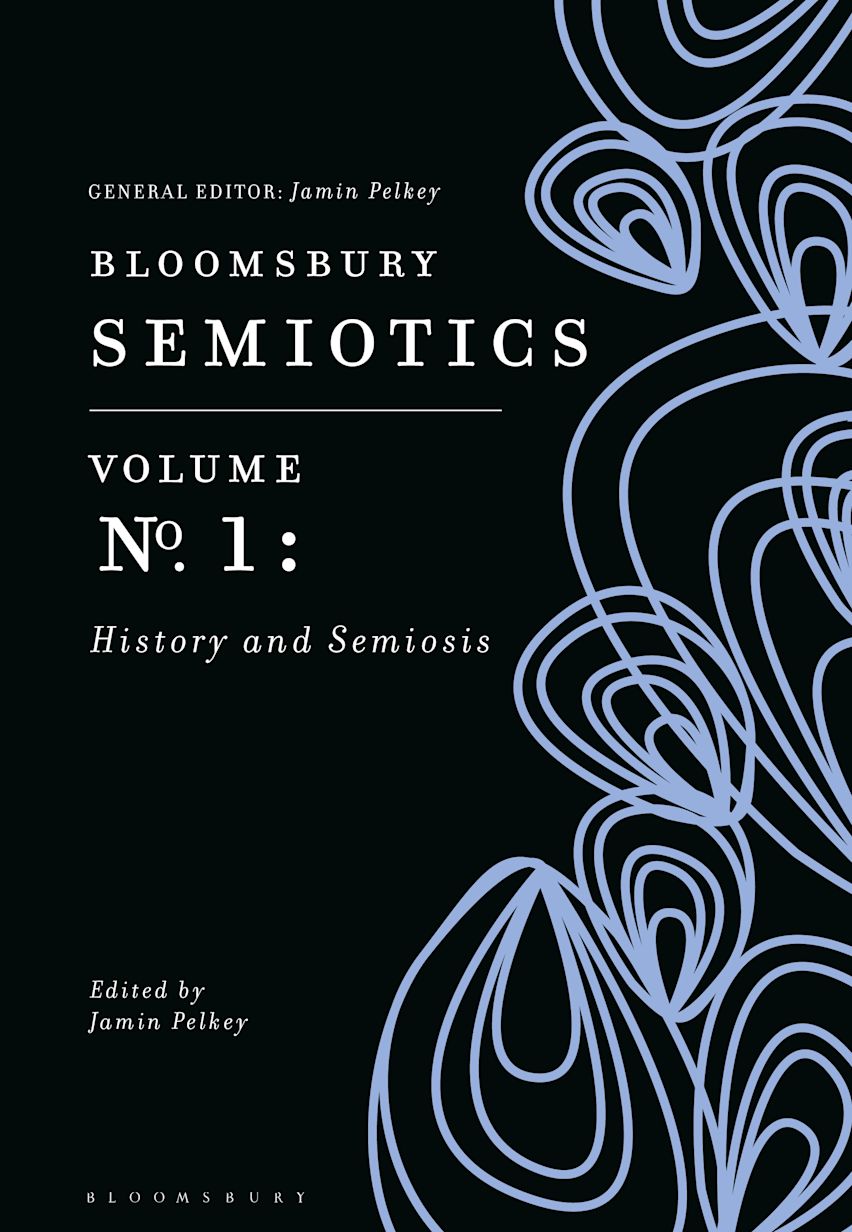
Bloomsbury Semiotics |
Kontakt/Bestellung
Contact/Order: info@digento.de 
|
|
1st Edition 2023 |
|
|
Online |
|
|
Inhalt :: Content Umfassendes, vierbändiges Standardreferenzwerk zur modernen Semiotik. Das Ziel des Werks ist es, die Semiotik nicht nur als Nischenfach, sondern als verbindende Brücke zwischen verschiedensten Disziplinen – von der Biologie bis zur Kunst – darzustellen. Band 1 befasst sich mit der Geschichte der Semiotik, ihren philosophischen Wurzeln (z. B. Peirce und Saussure) und den theoretischen Grundlagen der Zeichenprozesse. Band 2 untersucht die Anwendung der Semiotik in den Naturwissenschaften. Band 3 deckt die klassischen Geistes- und Sozialwissenschaften ab, einschließlich Literatur, Musik, Film, Anthropologie, Soziologie und Religion. Band 4 analysiert moderne Strömungen und die Verbindung der Semiotik zu aktuellen Feldern wie den Digital Humanities, der Kognitionswissenschaft und der Phänomenologie. |
|
|
Verlag :: Publisher Bloomsbury Publishing |
|
|
Preis :: Price Preise auf Anfrage / Prices on request |
|
|
Das Angebot richtet sich nicht an Verbraucher i. S. d. § 13 BGB und Letztverbraucher i. S. d. PAngV. |
|
|
ISBN/ISSN 978-1-350-60893-1 Bestellnummer bei digento :: digento order number 10698802 |
|
|
Verlagsinformation :: Publisher's information Bloomsbury Semioticsoffers a state-of-the-art overview of the entire field of semiotics by revealing its influence on a wide range of disciplinary perspectives. With four volumes spanning theory, method and practice across the disciplines, this definitive reference work emphasizes and strengthens common bonds shared across intellectual cultures, and facilitates the discovery and recovery of meaning across fields. It comprises:
Volume 1: History and Semiosisprovides a general and historical orientation to semiotic traditions and their methodologies, followed by an in-depth overview of critical issues in the study of sign systems and semiosis. It ends with an exploration of issues of sign classification and practical application, setting the scene for the remaining volumes. Volume 3: Semiotics in the Arts and Social Sciencespresents the state-of-the art in semiotic approaches to disciplines ranging from philosophy and anthropology to history and archaeology, from sociology and religious studies to music, dance, rhetoric, literature, and structural linguistics. Each chapter goes casts a vision for future research priorities, unanswered questions, and fresh openings for semiotic participation in these and related fields. Volume 4: Semiotic Movementsexplores relationships between semiotics and closely related contemporary movements, strengthening the dialogue and collaboration between them. The movements examined include communication theory, systems theory, digital humanities, phenomenology, translation studies, multimodality studies, cognitive linguistics, and cognitive science. |
|